Pothole Repair: Protecting Your Pavement Investment
Potholes are more than just an inconvenience; they can cause significant damage to vehicles, lead to accidents, and create costly repairs for property owners. As a homeowner or business operator, understanding the importance of pothole repair is crucial for protecting your pavement investment. This blog post will explore the causes of potholes, the impact they have on your property, and effective repair methods to ensure your pavement remains in top condition.
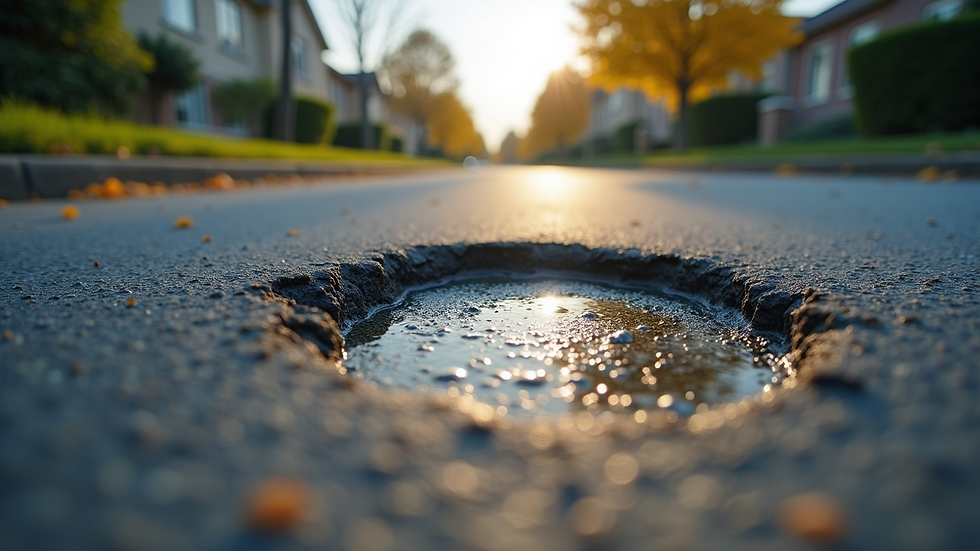
Understanding Potholes
What Causes Potholes?
Potholes form when water seeps into cracks in the pavement. When temperatures drop, the water freezes and expands, causing the pavement to crack further. As vehicles drive over these weakened areas, the pavement breaks down, leading to the formation of a pothole. Common causes include:
Weather Conditions: Freeze-thaw cycles are the primary culprits in many regions.
Heavy Traffic: Increased vehicle weight and frequency can accelerate pavement deterioration.
Poor Drainage: Water pooling on the surface can exacerbate the problem.
Substandard Materials: Using low-quality materials during initial pavement installation can lead to premature failure.
The Impact of Potholes
Potholes can have a significant impact on both safety and finances. Here are some key points to consider:
Vehicle Damage: Hitting a pothole can cause tire blowouts, misalignment, and suspension damage, leading to costly repairs.
Accidents: Potholes can cause drivers to swerve, increasing the risk of accidents.
Property Value: A well-maintained pavement enhances curb appeal and property value, while potholes can detract from it.
Repair Costs: Ignoring potholes can lead to more extensive damage, resulting in higher repair costs down the line.
Identifying Potholes
Signs of Pothole Formation
Recognizing the early signs of pothole formation can help you take preventive measures. Look for:
Cracks in the Pavement: Small cracks can indicate underlying issues.
Depressions: Areas that appear lower than the surrounding pavement may be at risk.
Water Accumulation: Puddles that form after rain can signal drainage problems.
Assessing Damage
When assessing the damage, consider the following:
Size of the Pothole: Larger potholes require more immediate attention.
Location: Potholes in high-traffic areas pose a greater risk.
Surrounding Conditions: Check for additional cracks or signs of wear.
Repair Methods
DIY Pothole Repair
For small potholes, a DIY approach can be effective. Here’s a step-by-step guide:
Clean the Area: Remove debris, loose asphalt, and dirt from the pothole.
Fill the Pothole: Use cold patch asphalt or a similar material to fill the hole. Ensure it is slightly overfilled.
Compact the Material: Use a tamper or heavy object to compact the material, ensuring it is level with the surrounding pavement.
Seal the Edges: Apply a sealant around the edges to prevent water infiltration.
Professional Pothole Repair
For larger potholes or extensive damage, hiring a professional is advisable. Benefits of professional repair include:
Quality Materials: Professionals use high-quality materials that ensure longevity.
Expertise: Experienced contractors can assess underlying issues and provide comprehensive solutions.
Warranty: Many professionals offer warranties on their work, providing peace of mind.
Preventive Measures
Regular Maintenance
Regular maintenance is key to preventing potholes from forming. Consider these practices:
Sealcoating: Applying a sealant every few years can protect the pavement from moisture and UV damage.
Crack Filling: Addressing small cracks promptly can prevent them from expanding into larger issues.
Proper Drainage: Ensure that water drains away from the pavement to reduce the risk of potholes.
Seasonal Inspections
Conduct seasonal inspections to identify potential issues before they become serious problems. Look for:
Cracks and Depressions: Address any signs of wear immediately.
Drainage Issues: Ensure that gutters and drains are clear of debris.
Conclusion
Pothole repair is essential for protecting your pavement investment. By understanding the causes and impacts of potholes, you can take proactive measures to maintain your pavement. Whether you choose to tackle small repairs yourself or hire a professional for larger issues, addressing potholes promptly will save you time and money in the long run. Remember, a well-maintained pavement not only enhances safety but also adds value to your property. Take action today to protect your investment and ensure a smooth, safe driving experience for all.
Comments